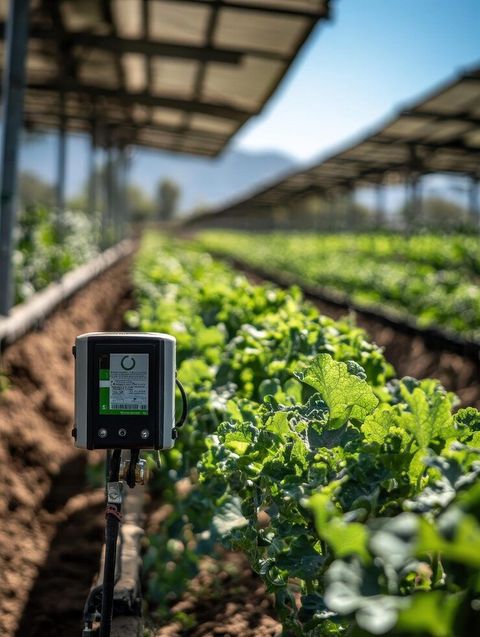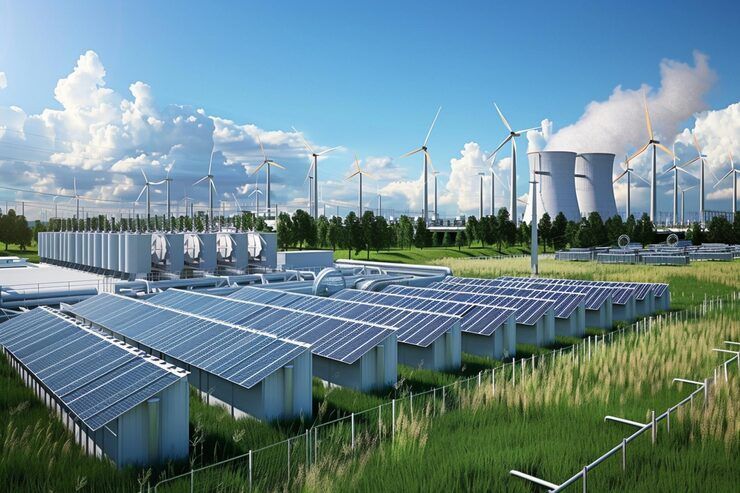
Smart Power Plants refer to modern electricity generation facilities that use digital technologies, automation systems, and real-time data analysis to improve energy production and operational control. Unlike traditional plants that rely heavily on manual monitoring, Smart Power Plants integrate sensors, software systems, and communication networks to manage performance more efficiently.
The concept developed as energy systems became more complex and demand for electricity increased. With the rise of renewable energy sources, grid variability, and environmental concerns, power generation required more adaptive and data-driven approaches. Smart Power Plants emerged as a response to these needs, combining engineering systems with digital intelligence.
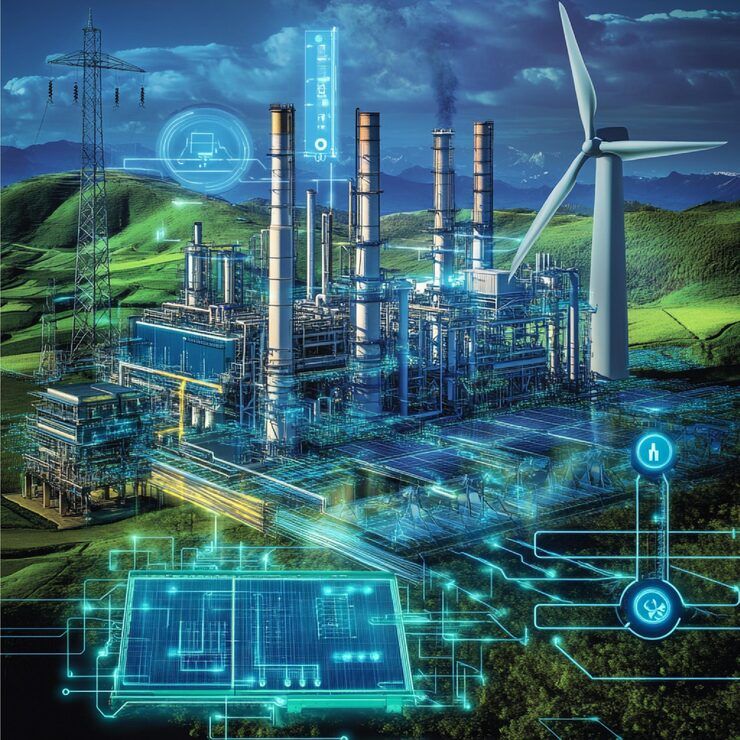
These plants are used across different energy sectors, including thermal, hydro, gas, and renewable energy facilities, to improve reliability and optimize output.
Importance
Smart Power Plants are important because they improve the efficiency and reliability of electricity generation. By using automated systems and real-time monitoring, they help operators make informed decisions about energy production and distribution.
One key advantage is operational efficiency. Automated systems reduce manual intervention and allow continuous monitoring of equipment performance. This helps maintain stable energy output and reduces downtime caused by unexpected issues.
Another important aspect is resource optimization. Smart Power Plants can adjust energy production based on demand patterns, ensuring that resources are used effectively. This helps reduce energy wastage and supports balanced supply management.
They also contribute to system reliability. Early detection of equipment issues through sensors and predictive systems helps prevent failures and improves safety in power generation environments.
Recent Updates
Between 2024 and 2026, Smart Power Plants have seen significant improvements due to advancements in artificial intelligence, automation, and energy management systems. One major trend is the increased use of predictive maintenance technologies, which analyze equipment data to identify potential issues before breakdowns occur.
Another development is the integration of renewable energy sources into smart plant operations. Hybrid systems that combine solar, wind, and conventional power generation are becoming more common, requiring advanced coordination systems to manage fluctuations.
Digital twin technology has also gained attention. This involves creating virtual models of power plants to simulate performance, test scenarios, and optimize operations without affecting physical systems.
Cybersecurity has become an important focus as well. With increased digital connectivity, protecting operational systems from cyber threats is now a key part of Smart Power Plants design and management.
Key Technologies in Smart Power Plants
| Technology | Description | Role in Operations |
|---|---|---|
| Sensors and IoT Devices | Collect real-time operational data | Enable continuous monitoring |
| Artificial Intelligence | Analyzes data and predicts system behavior | Improves decision-making |
| Automation Systems | Controls machinery and processes | Reduces manual intervention |
| Digital Twins | Virtual models of physical plants | Supports simulation and optimization |
| Cloud Computing | Stores and processes large data sets | Enables remote access and analysis |
Laws or Policies
Smart Power Plants operate within regulatory frameworks that govern energy production, environmental protection, and industrial safety. In India, electricity sector regulations guide the operation, distribution, and monitoring of power generation facilities.
Environmental policies influence how Smart Power Plants are designed, encouraging reduced emissions and efficient fuel usage. These regulations support the integration of cleaner energy technologies and improved monitoring systems.
Safety standards are also important. Guidelines ensure that automated systems, electrical equipment, and control systems operate securely and reliably.
Data protection and cybersecurity policies are increasingly relevant due to the digital nature of Smart Power Plants. These rules help safeguard operational data and prevent unauthorized access to critical infrastructure systems.
Tools and Resources
Several tools and resources support the operation and development of Smart Power Plants.
Energy Management Systems
These systems monitor energy production and consumption, helping balance supply and demand across the plant.
Supervisory Control and Data Acquisition (SCADA)
SCADA systems collect real-time data from equipment and allow operators to control processes remotely.
Predictive Analytics Platforms
These tools analyze historical and real-time data to predict equipment performance and maintenance needs.
Simulation Software
Simulation tools create virtual models of plant operations, helping test different scenarios and optimize performance.
Data Visualization Dashboards
Dashboards present complex operational data in simplified visual formats, making it easier to interpret system performance.
FAQs
What are Smart Power Plants?
Smart Power Plants are energy generation facilities that use automation, sensors, and digital systems to improve efficiency and monitor operations in real time.
How do Smart Power Plants work?
They use connected systems and data analytics to monitor equipment, adjust energy output, and optimize performance based on demand.
Why are Smart Power Plants important?
They improve energy efficiency, reduce operational issues, and support better management of electricity generation systems.
What technologies are used in Smart Power Plants?
Common technologies include artificial intelligence, IoT sensors, automation systems, and predictive maintenance tools.
Can Smart Power Plants support renewable energy?
Yes, they can integrate renewable sources and manage fluctuations in energy production through advanced control systems.
Conclusion
Smart Power Plants represent a modern approach to electricity generation that combines digital technology with traditional energy systems. They support improved efficiency, better resource management, and enhanced operational reliability. Recent advancements in automation, predictive analytics, and renewable integration continue to shape their development. Regulatory frameworks and safety standards ensure responsible operation within the energy sector. These systems reflect a broader shift toward data-driven and adaptive energy infrastructure.