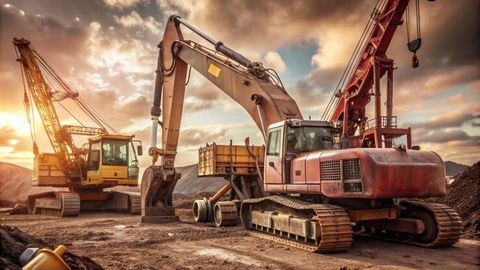
Road rollers are heavy construction machines used to compact soil, gravel, asphalt, and other materials during road construction and infrastructure projects. These machines play a key role in creating smooth, stable surfaces that can support traffic loads over time.
The concept of road rollers exists because loose materials need to be compressed to improve their density and strength. Without proper compaction, roads and surfaces may develop cracks, uneven layers, or structural weaknesses.
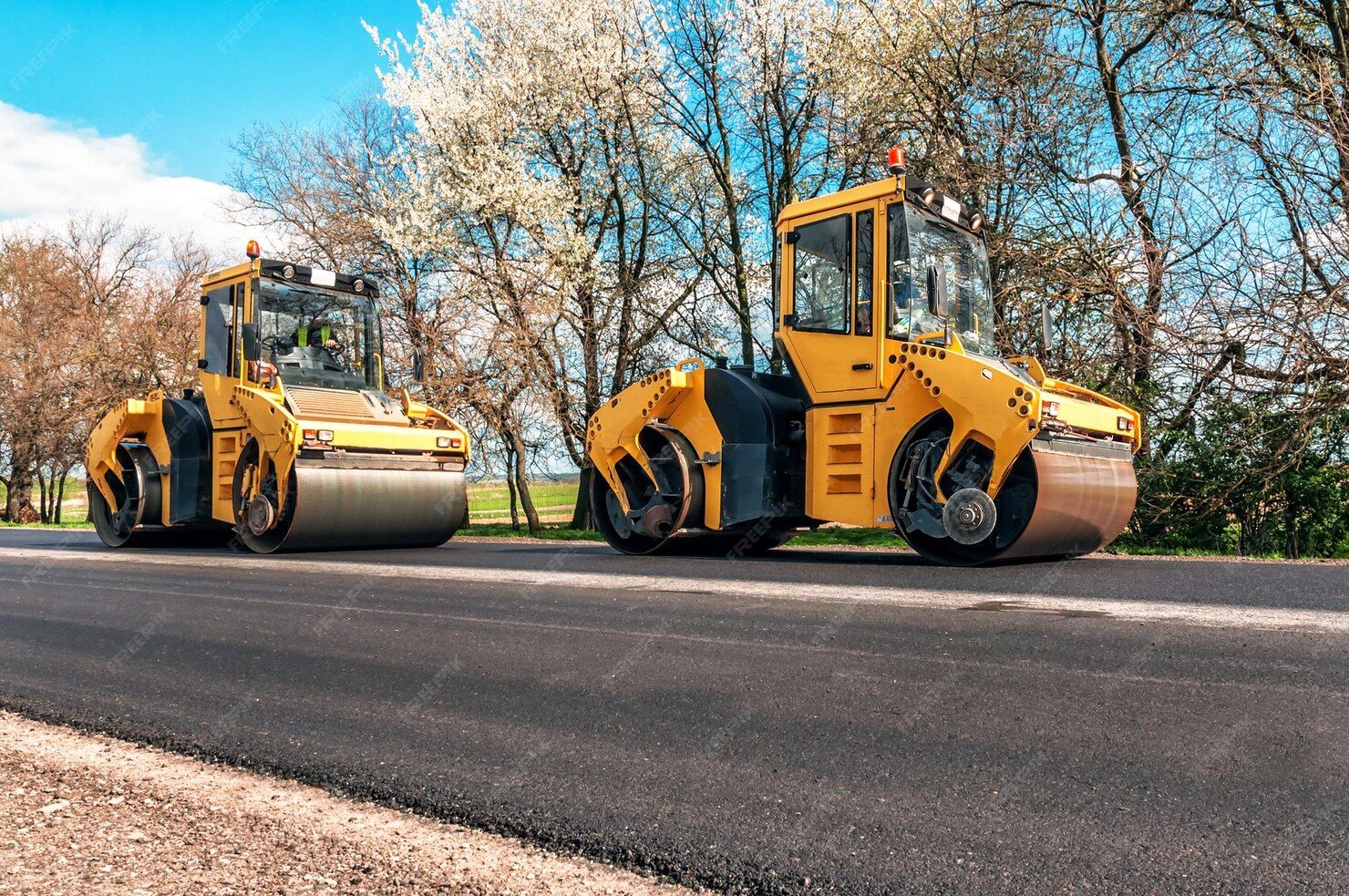
A typical road roller consists of:
- Large drums or wheels for compaction
- Engine to generate power
- Hydraulic system for movement and control
- Operator cabin with steering and control mechanisms
Road rollers are used in various stages of construction, including:
- Preparing soil base layers
- Compacting asphalt during road paving
- Stabilizing surfaces in construction zones
Different types of road rollers are designed for specific applications:
| Type of Road Roller | Description | Common Application |
|---|---|---|
| Smooth wheel roller | Uses steel drums for compaction | Asphalt and road finishing |
| Pneumatic roller | Uses rubber tires | Flexible compaction |
| Vibratory roller | Uses vibration for deeper compaction | Soil and granular materials |
| Padfoot roller | Has protruding pads | Clay and cohesive soils |
| Tandem roller | Two drums (front and rear) | Road finishing and asphalt work |
Understanding these types helps beginners identify the right machine for different construction needs.
Importance
Road rollers are essential for ensuring the durability and quality of roads and construction surfaces. Proper compaction improves load-bearing capacity and prevents structural failures.
This topic is relevant for:
- Construction workers and operators handling compaction equipment
- Civil engineering students studying infrastructure development
- Project managers overseeing road construction
- Infrastructure planners ensuring long-term road quality
Key benefits of using road rollers include:
- Improved surface stability and strength
- Reduced risk of cracks and deformation
- Enhanced road durability and lifespan
- Better safety for vehicles and pedestrians
The comparison below highlights compacted vs non-compacted surfaces:
| Feature | Non-Compacted Surface | Compacted Surface |
|---|---|---|
| Stability | Low | High |
| Load Capacity | Limited | Strong |
| Durability | Short lifespan | Long-lasting |
| Surface Smoothness | Uneven | Smooth |
| Maintenance Needs | Frequent | Reduced |
Proper use of road rollers ensures efficient construction and long-term performance of infrastructure.
Recent Updates
In 2025, road roller technology has advanced with a focus on automation, efficiency, and environmental sustainability.
Key developments include:
- Smart compaction technology: Sensors measure soil density and adjust compaction automatically
- Telematics integration: Real-time monitoring of machine performance and fuel usage
- Electric and hybrid rollers: Reduced emissions and improved energy efficiency
- Improved vibration systems: Enhanced control for better compaction quality
- Operator assistance systems: Features such as automatic steering and feedback alerts
These innovations help improve accuracy, reduce operational errors, and support sustainable construction practices.
Laws or Policies
Road roller operations are governed by safety and environmental regulations to ensure proper usage and worker protection.
In India:
- The Factories Act sets safety standards for machinery operation
- The Motor Vehicles Act applies when moving equipment on public roads
- The Environment Protection Act regulates emissions and environmental impact
Key regulatory considerations include:
- Operator training and certification
- Regular maintenance and inspection of equipment
- Compliance with emission norms
- Safe operation practices on construction sites
International standards such as ISO guidelines ensure quality and safety in construction equipment usage.
Tools and Resources
Several tools and resources support learning and effective use of road rollers:
-
Compaction measurement devices
Measure soil density and compaction levels -
Simulation training software
Provide virtual practice for machine operation -
Telematics systems
Track machine performance and efficiency -
Operator manuals
Offer detailed guidance on machine controls and maintenance -
Maintenance tracking tools
Help schedule inspections and servicing
The table below summarizes these resources:
| Tool/Resource | Function | Benefit |
|---|---|---|
| Compaction devices | Measure density | Accurate compaction results |
| Simulation software | Virtual training | Safe learning environment |
| Telematics systems | Monitor performance | Improved efficiency |
| Operator manuals | Provide operational guidance | Better understanding |
| Maintenance tools | Track servicing | Reduced downtime |
These tools help beginners gain both theoretical knowledge and practical understanding of road roller operations.
FAQs
What is a road roller?
A road roller is a heavy machine used to compact materials like soil, gravel, and asphalt in construction projects.
What is the main purpose of compaction?
Compaction increases material density, improves strength, and ensures stability of surfaces.
Which type of road roller is used for asphalt?
Smooth wheel and tandem rollers are commonly used for asphalt compaction.
How does a vibratory roller work?
It uses vibration along with weight to compact materials more effectively and deeply.
Why is compaction important in construction?
It prevents structural issues, improves durability, and ensures safe and stable surfaces.
Conclusion
Road rollers are essential machines in construction, playing a critical role in ensuring the strength and durability of roads and infrastructure. By compacting materials effectively, they help create stable and long-lasting surfaces.
Modern advancements such as smart compaction systems, telematics, and eco-friendly machines have improved efficiency and accuracy. Understanding regulations and safety standards ensures responsible and compliant operation.
With the help of tools like compaction measurement devices, simulation software, and maintenance trackers, beginners can develop a strong understanding of road roller operations. This knowledge supports efficient construction practices and contributes to high-quality infrastructure development.