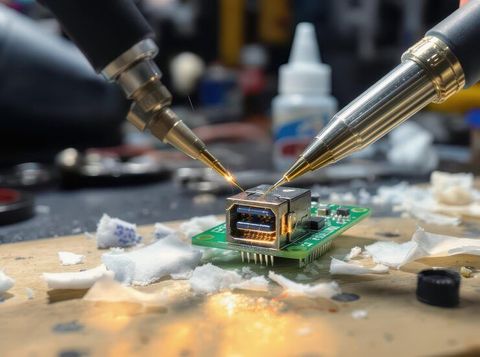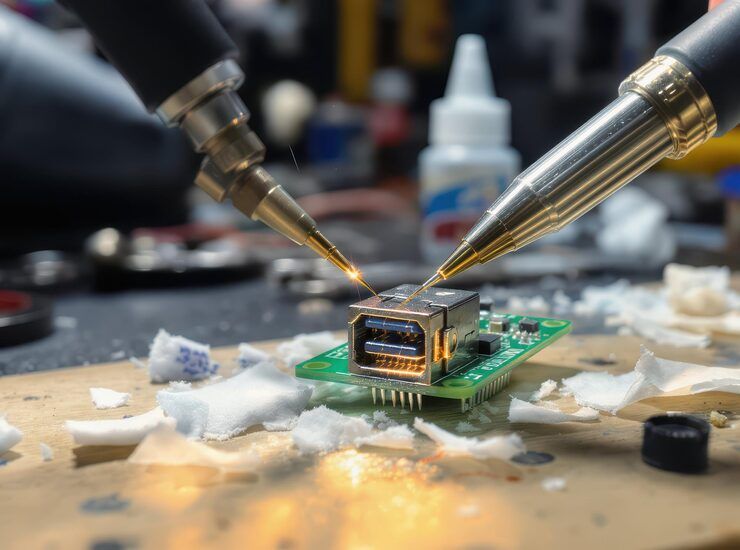
Printed Circuit Boards (PCBs) are a fundamental part of modern electronics, enabling connections between components in devices such as smartphones, computers, and industrial equipment. PCB drilling machines are specialized systems designed to create precise holes in these boards, allowing electrical connections through vias and component mounting.
The need for PCB drilling machines arose as electronic circuits became more compact and complex. Manual drilling methods were not sufficient to achieve the accuracy required for modern designs. As a result, automated drilling systems were developed using advanced technologies like Computer Numerical Control (CNC) to ensure high precision and repeatability.
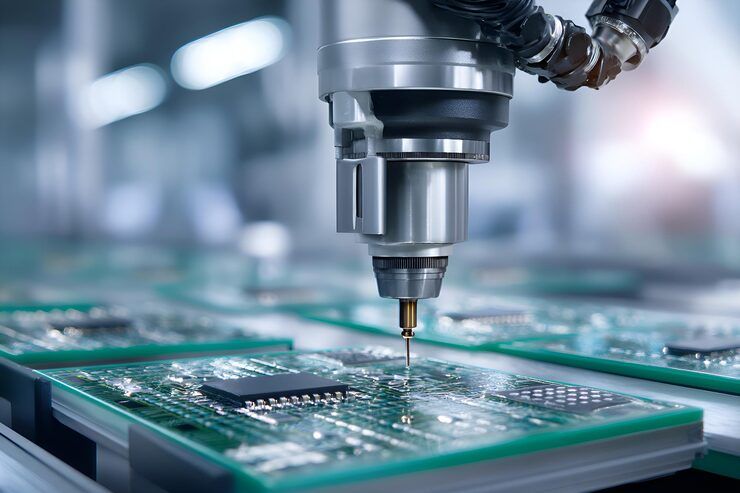
Today, PCB drilling machines play a critical role in electronics manufacturing, supporting industries such as telecommunications, automotive electronics, consumer devices, and medical equipment.
Importance
PCB drilling machines are essential in ensuring the functionality and reliability of electronic circuits. Their importance is reflected in several key areas:
- Precision Engineering: Modern electronic devices require extremely small and accurate holes. High-speed drilling machines can achieve micron-level precision, which is necessary for dense circuit layouts.
- High Production Efficiency: Automated PCB drilling solutions enable large-scale manufacturing with consistent quality, reducing human error and improving throughput.
- Support for Advanced Technologies: Technologies like multilayer PCBs, high-density interconnect (HDI), and microvias rely heavily on advanced drilling techniques.
- Quality and Reliability: Accurate drilling ensures proper electrical connections, reducing the risk of circuit failure.
-
Wide Industry Usage: PCB drilling is used in sectors such as:
- Consumer electronics
- Automotive systems
- Aerospace and defense
- Healthcare devices
- Industrial automation
The growing demand for compact and high-performance electronics has increased the reliance on advanced PCB drilling equipment, making it a critical part of manufacturing infrastructure.
Recent Updates
Over the past year, PCB drilling technology has seen several important developments driven by industry demand and innovation.
- Increased Use of Laser Drilling (2025): Laser drilling has gained popularity for creating microvias in HDI PCBs. This method provides higher precision and reduces mechanical stress on the board.
- AI-Based Process Optimization (Early 2026): Manufacturers have started integrating artificial intelligence into drilling systems to optimize speed, tool wear prediction, and error detection.
- Improved Spindle Speeds (Late 2025): New drilling machines now support higher spindle speeds, improving efficiency without compromising accuracy.
- Sustainability Focus (2025–2026): There is a growing trend toward reducing material waste and energy consumption in PCB manufacturing processes.
- Integration with Smart Manufacturing Systems: PCB drilling machines are increasingly connected to Industrial IoT (IIoT) platforms, enabling real-time monitoring and predictive maintenance.
Technology Trends Table
| Feature | Traditional Drilling | Modern Drilling Systems |
|---|---|---|
| Precision Level | Moderate | High (micron-level) |
| Automation | Limited | Fully automated |
| Speed | Standard | High-speed operations |
| Monitoring | Manual | Real-time digital |
| Maintenance | Reactive | Predictive (AI-based) |
These updates highlight how PCB drilling machines are evolving to meet the needs of advanced electronics manufacturing.
Laws or Policies
PCB drilling and manufacturing processes are influenced by several regulations and industry standards, especially in countries like India where electronics manufacturing is expanding.
- Environmental Regulations: PCB manufacturing must comply with environmental standards related to waste management, chemical usage, and emissions. Guidelines from pollution control boards are applicable.
- Electronic Manufacturing Policies: Government initiatives such as electronics manufacturing programs encourage local production and technological development.
- Safety Standards: Industrial safety norms require proper handling of drilling equipment, dust extraction systems, and worker protection measures.
- Quality Certifications: Standards such as ISO certifications ensure that manufacturing processes meet global quality requirements.
- E-Waste Management Rules: These policies ensure responsible disposal and recycling of electronic materials, including PCB components.
These regulations aim to ensure safe, efficient, and environmentally responsible PCB production processes.
Tools and Resources
Several tools and digital resources support the use and optimization of PCB drilling machines. These tools help engineers, technicians, and manufacturers improve design accuracy and operational efficiency.
Common Tools and Platforms
-
PCB Design Software
- Used for creating circuit layouts before drilling
- Helps define hole placement and size
-
CNC Programming Tools
- Generate drilling instructions for machines
- Ensure precision and repeatability
-
Drill Bit Management Systems
- Track tool usage and wear
- Improve maintenance planning
-
Simulation Software
- Tests drilling patterns virtually
- Reduces errors before actual production
-
Industrial Monitoring Systems
- Provide real-time performance data
- Enable predictive maintenance
Useful Resource Categories
- Technical documentation platforms for PCB standards
- Industry forums for troubleshooting and knowledge sharing
- Engineering calculators for drill size and speed optimization
- Training modules for machine operation and safety
These resources help maintain accuracy, reduce downtime, and improve overall manufacturing quality.
FAQs
What is a PCB drilling machine used for?
A PCB drilling machine is used to create holes in printed circuit boards for component placement and electrical connections. These holes are essential for building functional electronic circuits.
What is the difference between mechanical and laser drilling?
Mechanical drilling uses rotating drill bits, while laser drilling uses focused light beams. Laser drilling is typically used for smaller, high-precision holes in advanced PCB designs.
Why is precision important in PCB drilling?
Precision ensures that components fit correctly and electrical connections are reliable. Even small deviations can lead to circuit malfunction or reduced performance.
What industries rely on PCB drilling machines?
Industries such as consumer electronics, automotive, healthcare, aerospace, and telecommunications rely heavily on PCB drilling technology.
How are modern PCB drilling machines improving efficiency?
Modern machines use automation, high-speed spindles, and AI-based monitoring to improve speed, reduce errors, and enhance overall productivity.
Conclusion
PCB drilling machines are a key component of modern electronics manufacturing, enabling the production of precise and reliable circuit boards. As technology continues to advance, these machines are becoming more sophisticated, incorporating automation, artificial intelligence, and real-time monitoring systems.
Their importance extends across multiple industries, supporting the development of compact, high-performance electronic devices. Recent updates in drilling technology highlight a shift toward efficiency, sustainability, and smart manufacturing practices.
Regulations and industry standards ensure that PCB drilling processes remain safe and environmentally responsible. At the same time, a wide range of tools and resources support engineers and manufacturers in achieving high-quality results.
Understanding PCB drilling machines provides valuable insight into how modern electronics are built and how manufacturing technologies continue to evolve in response to industry needs.