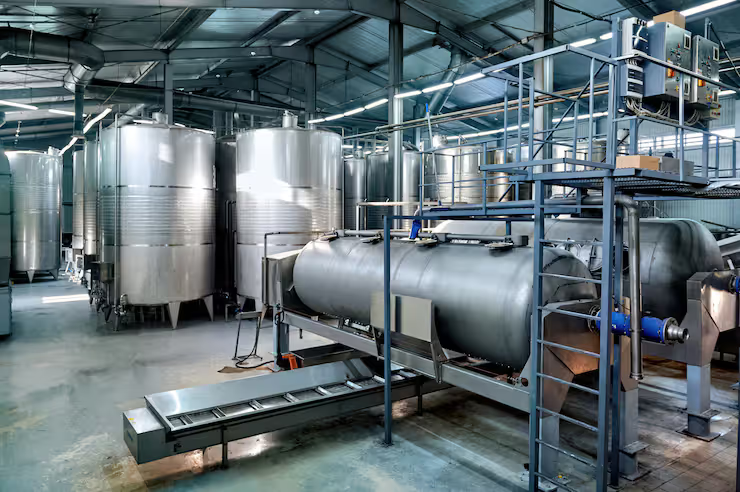
Oil filtering machines are specialized equipment designed to remove impurities, contaminants, and suspended particles from oil. They play a crucial role in industrial operations, automotive maintenance, and machinery longevity. By filtering oil, these machines prevent damage to engines, turbines, compressors, and hydraulic systems caused by abrasive particles, sludge, and oxidation products.
The existence of oil filtering machines stems from the need to maintain oil quality and extend the lifespan of machinery while reducing operational downtime. These machines use various filtration methods, including mechanical filtration, centrifugal separation, vacuum dehydration, and magnetic filtration. Each method targets different types of contaminants, ensuring oil remains clean and functional for extended periods.
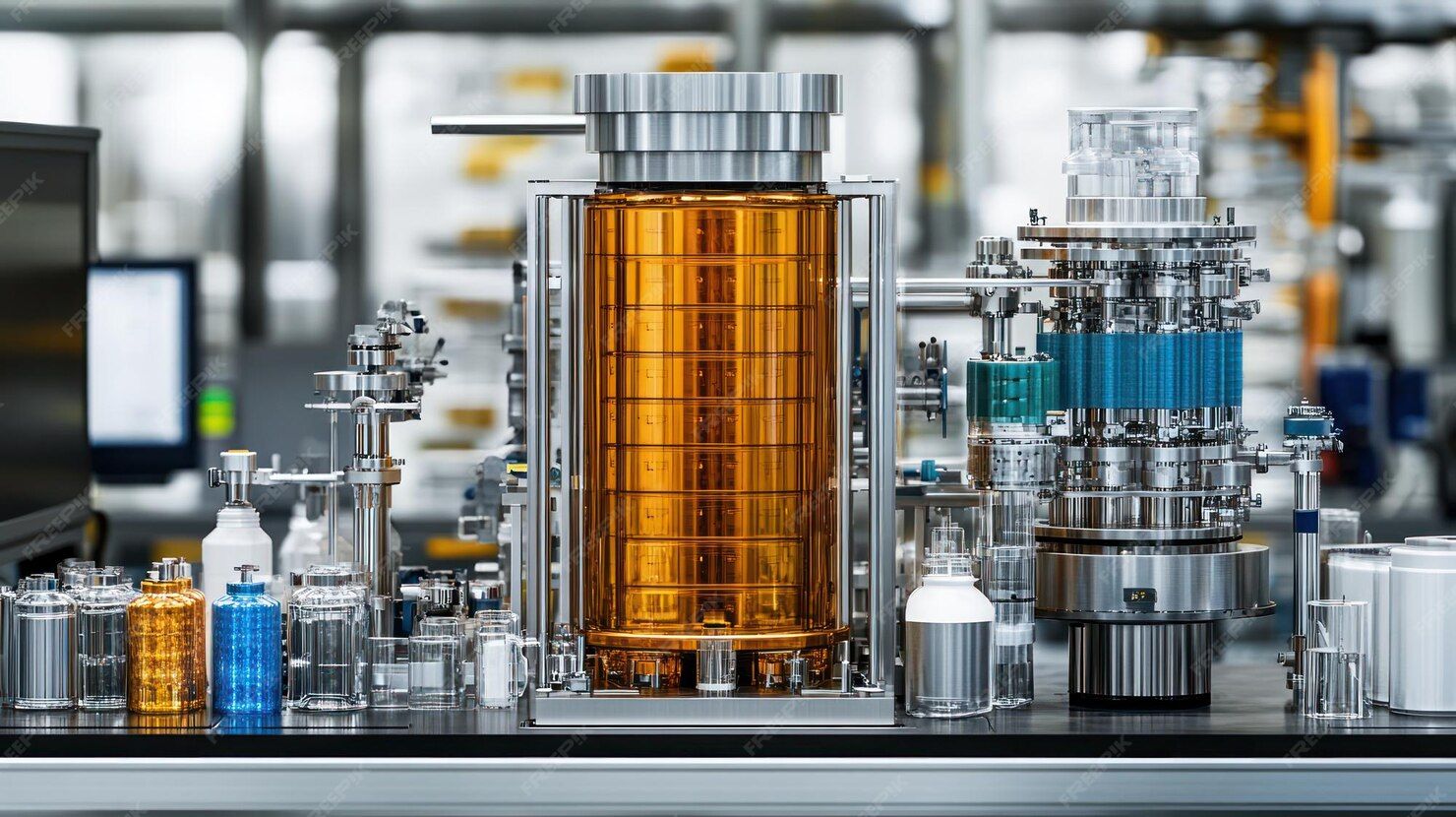
Proper understanding of how oil filtering machines work allows operators to choose the right equipment, implement effective maintenance schedules, and optimize industrial or automotive performance.
Importance of Oil Filtering Machines Today
Oil is a vital resource in engines and industrial equipment. Contaminated oil can lead to wear and tear, increased energy consumption, and mechanical failures. The importance of oil filtering machines lies in their ability to:
- Maintain oil viscosity and performance
- Prevent machinery breakdown and reduce repair frequency
- Enhance operational efficiency and energy savings
- Minimize environmental impact by extending oil usability and reducing waste
- Protect sensitive components in high-precision equipment
Industries and Applications Benefiting from Oil Filtration
| Industry | Applications |
|---|---|
| Automotive | Engine oil maintenance, gear oils, hydraulic fluids |
| Manufacturing | Hydraulic systems, compressors, turbines |
| Energy | Transformers, wind turbines, power generators |
| Food processing | Edible oil purification and recycling |
| Marine and shipping | Engine and lubrication oil filtration for vessels |
By maintaining clean oil, businesses can ensure machinery operates safely, efficiently, and with minimal unplanned downtime.
Recent Trends and Updates in Oil Filtering Technology
The oil filtration industry has seen several developments in the past year aimed at improving efficiency, sustainability, and automation.
- Advanced Vacuum Dehydration (2025): New systems remove both particulate matter and water content from oil, improving longevity and performance.
- Centrifugal Oil Filtration: Modern centrifugal machines are more compact and energy-efficient, enabling quicker particle separation in industrial settings.
- IoT Integration: Smart oil filtration machines with sensors provide real-time monitoring of oil quality, filter status, and machine health.
- Environmentally Friendly Designs: New filters use recyclable materials and reduce oil waste by prolonging oil usability.
- Automation and Remote Monitoring: Operators can schedule filtration cycles, receive alerts, and monitor oil cleanliness remotely, reducing manual intervention.
These innovations highlight the shift toward cleaner, more efficient, and data-driven oil management practices.
Laws and Policies Affecting Oil Filtration
Regulations surrounding oil filtration primarily relate to environmental protection, safety standards, and industrial maintenance requirements.
Key Regulatory Considerations
- Waste Oil Management: Many countries have strict rules for handling used oil, ensuring filtered oil or waste oil is processed safely.
- ISO Standards for Oil Quality: Standards like ISO 4406 for particle contamination levels help industries maintain compliance with machinery and operational safety.
- Industrial Safety Regulations: Machinery using oil must adhere to safety standards to prevent accidents due to contaminated lubricants.
- Environmental Protection Policies: Proper oil filtration reduces hazardous disposal of contaminated oil, supporting sustainability efforts.
Compliance with these laws ensures legal operation, environmental responsibility, and machinery safety.
Tools and Resources for Oil Filtering Management
Operators and maintenance teams can use various tools and resources to optimize oil filtering processes.
Monitoring and Testing Tools
- Particle counters to measure contamination levels
- Oil analysis kits to test viscosity, water content, and chemical composition
- Portable sensors for real-time monitoring of oil quality
Software and Apps
- Maintenance scheduling software to track oil filtration intervals
- IoT-enabled dashboards for monitoring multiple machines simultaneously
- Data logging applications to record filter performance and oil health
Educational Resources
- Manuals on centrifugal, vacuum, and mechanical filtration techniques
- Training guides for oil maintenance in industrial and automotive equipment
- Online tutorials and forums for troubleshooting filtration issues
Maintenance Checklist for Oil Filtering Machines
| Task | Purpose |
|---|---|
| Filter replacement | Ensure optimal contaminant removal |
| Oil testing | Monitor viscosity, water, and particulate levels |
| Cleaning machine components | Prevent sludge buildup and improve performance |
| Record maintenance data | Track machine health and plan future maintenance |
| Monitor system pressure | Detect clogging or reduced filtration efficiency |
Frequently Asked Questions
How often should oil filtering machines be used?
Frequency depends on the type of equipment, operating hours, and oil contamination level. Routine monitoring and periodic filtration cycles are recommended for optimal performance.
Can all oils be filtered using the same machine?
Different oils require different filtration methods. For instance, hydraulic oils, engine oils, and edible oils may need specific filters and techniques to ensure proper cleanliness.
What contaminants can oil filters remove?
Oil filters can remove solid particles, water, sludge, and some dissolved impurities depending on the filtration method. Advanced systems also handle oxidation by-products.
How do I know if the oil filter is working effectively?
Indicators include consistent oil pressure, low contamination levels in particle counts, and improved machinery performance. Some smart filtration machines provide digital monitoring for efficiency.
Are oil filtering machines environmentally beneficial?
Yes, by extending oil life, reducing waste, and preventing contaminated oil disposal, these machines contribute to environmental sustainability.
Conclusion
Oil filtering machines are essential for maintaining clean, reliable oil in industrial, automotive, and energy sectors. By removing contaminants, these machines protect machinery, improve operational efficiency, and reduce environmental impact.
Recent innovations in vacuum dehydration, centrifugal filtration, and IoT integration have enhanced performance and monitoring capabilities, making oil management more efficient and data-driven. Understanding regulatory requirements, using appropriate tools, and following best maintenance practices ensures the longevity and effectiveness of both oil and machinery.
Investing in knowledge of oil filtering machines and proper maintenance strategies is crucial for operators seeking optimal performance, reduced downtime, and sustainable industrial practices. With careful planning and monitoring, clean and reliable oil can be maintained, supporting both operational excellence and environmental responsibility.