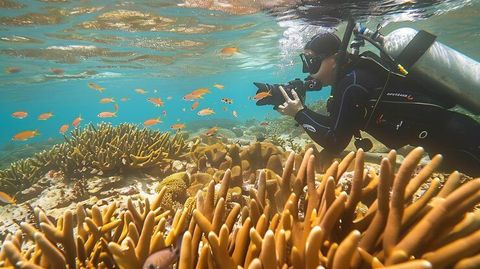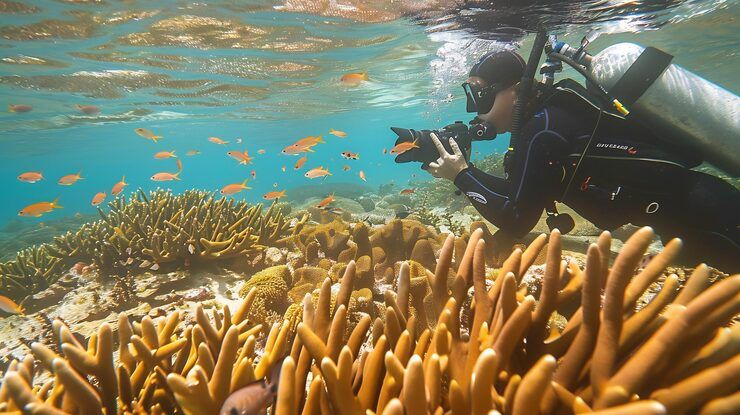
Coral reef exploration refers to the activity of observing and experiencing marine ecosystems that are built by coral organisms. These reefs are among the most diverse environments on Earth, often described as underwater ecosystems that support a wide range of marine life, including fish, algae, and invertebrates.
Coral reefs form over thousands of years as tiny coral polyps build calcium carbonate structures. These structures create habitats that attract various species, making reefs important for biodiversity. Popular reef locations include tropical regions where water temperatures and sunlight levels support coral growth.
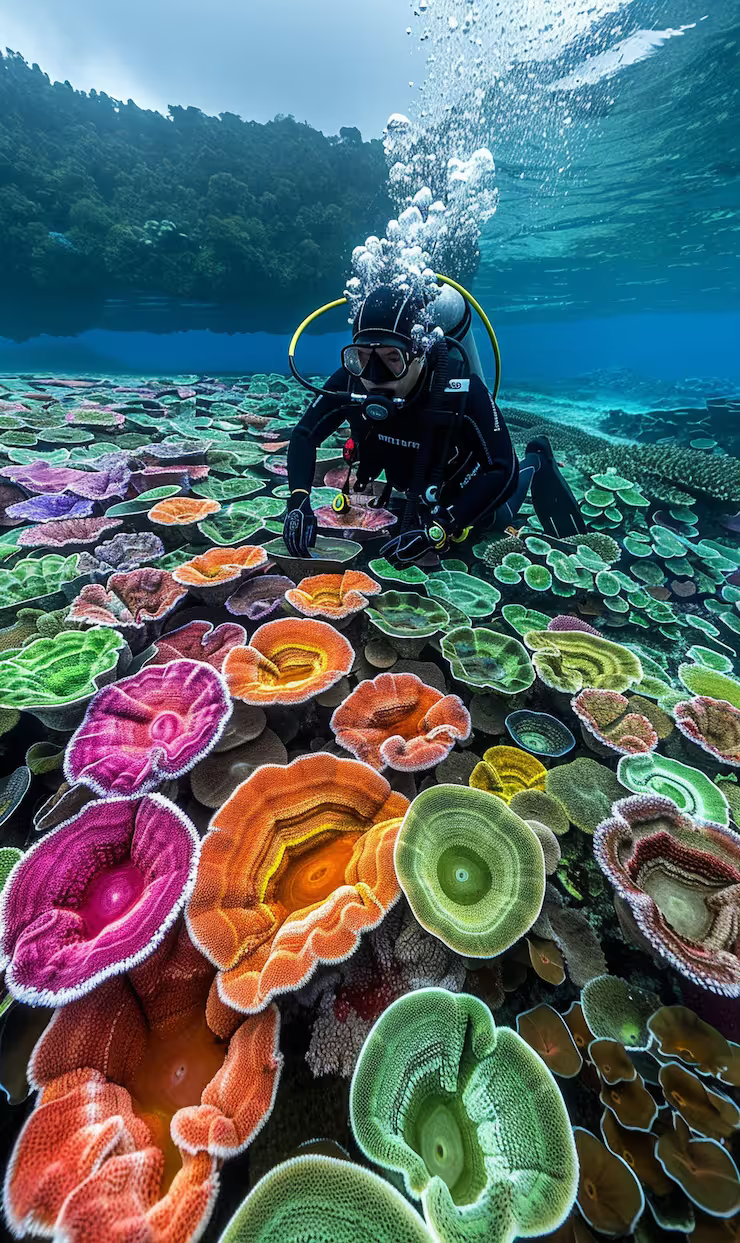
Exploration activities typically include snorkeling, scuba diving, and guided marine observation. These experiences allow individuals to witness marine biodiversity firsthand while learning about ecosystem balance and conservation. The purpose of reef exploration is not only recreational but also educational, helping people understand the importance of protecting marine environments.
Importance
Coral reef exploration is important because it connects people with marine ecosystems and raises awareness about environmental conservation. It benefits travelers, researchers, educators, and local communities that depend on marine resources.
One major importance is environmental awareness. When people experience coral reefs directly, they gain a better understanding of biodiversity and the challenges facing marine ecosystems. This awareness often leads to more responsible behavior and support for conservation efforts.
Reefs also play a critical role in protecting coastlines. They act as natural barriers against waves and storms, reducing erosion and safeguarding coastal communities. Exploring these ecosystems helps highlight their protective function.
Another important aspect is economic support for local communities. Responsible reef tourism contributes to livelihoods in coastal regions, including guides, instructors, and conservation workers.
Additionally, coral reefs are valuable for scientific research. They provide insights into marine biology, climate change, and ecosystem dynamics. Exploration activities often support research initiatives by promoting data collection and monitoring.
The table below highlights key benefits of coral reefs:
| Benefit Type | Description | Impact |
|---|---|---|
| Biodiversity Support | Habitat for marine species | Ecosystem balance |
| Coastal Protection | Reduces wave impact | Protects shorelines |
| Economic Value | Supports tourism and livelihoods | Community development |
| Scientific Research | Provides environmental data | Knowledge advancement |
Recent Updates
In the past year, coral reef exploration has been influenced by environmental concerns and technological advancements.
In 2025, there has been increased focus on reef conservation due to rising ocean temperatures and coral bleaching events. Coral bleaching occurs when corals lose their symbiotic algae due to stress, leading to reduced survival rates. Awareness campaigns and conservation programs have been strengthened globally.
Technology has also improved exploration experiences. Underwater cameras, drones, and digital mapping tools are being used to study reefs more effectively. These tools help researchers monitor reef health and track changes over time.
Virtual reef exploration has gained popularity as well. Digital platforms now offer immersive experiences that allow users to explore coral reefs remotely. This approach helps reduce physical impact on sensitive ecosystems while still promoting awareness.
Sustainable tourism practices are becoming more prominent. Guidelines now emphasize minimizing physical contact with reefs, avoiding pollution, and respecting marine life. Many regions have introduced stricter rules to protect fragile ecosystems.
The following table outlines recent trends:
| Trend Type | Description | Benefit |
|---|---|---|
| Conservation Focus | Increased awareness of reef protection | Environmental preservation |
| Technology Use | Advanced monitoring tools | Better data collection |
| Virtual Exploration | Digital reef experiences | Reduced environmental impact |
| Sustainable Tourism | Responsible travel practices | Long-term ecosystem health |
Laws or Policies
Coral reef exploration is regulated by various laws and policies aimed at protecting marine ecosystems.
Many countries have established marine protected areas (MPAs) where activities are controlled to prevent damage to reefs. These areas often have restrictions on fishing, anchoring, and physical interaction with corals.
In India, coastal and marine conservation is guided by environmental regulations that focus on protecting biodiversity and reducing pollution. Activities near coral reefs are monitored to ensure minimal ecological impact.
International agreements also play a role. Global initiatives aimed at marine conservation encourage countries to adopt sustainable practices and reduce environmental threats such as climate change and ocean pollution.
Tourism guidelines are another important aspect. Visitors are often required to follow rules such as maintaining distance from marine life, avoiding contact with corals, and using eco-friendly products like reef-safe sunscreen.
These policies help ensure that coral reefs remain protected while allowing people to explore them responsibly.
Tools and Resources
Several tools and resources can help individuals plan safe and responsible coral reef exploration.
Planning Tools
- Marine location maps to identify reef sites
- Weather and tide tracking applications
- Dive planning charts for safety preparation
Safety and Learning Resources
- Marine species identification guides
- Snorkeling and diving safety checklists
- Environmental awareness materials
Digital Platforms
- Underwater exploration applications
- Virtual reef tours for educational purposes
- Marine conservation websites for updated information
Practical Checklist for Reef Exploration
- Check weather and water conditions before visiting
- Use appropriate safety gear such as masks and fins
- Avoid touching or stepping on coral formations
- Maintain safe distance from marine life
- Follow local guidelines and conservation rules
FAQs
What is the best way to explore coral reefs safely?
Snorkeling and scuba diving are common methods. Following safety guidelines and using proper equipment ensures a safe experience.
Why should coral reefs not be touched?
Corals are delicate living organisms. Physical contact can damage their structure and affect their survival.
What is coral bleaching?
Coral bleaching occurs when corals lose their color due to environmental stress, often caused by rising water temperatures.
Are coral reefs found everywhere?
Coral reefs are mainly found in tropical and subtropical regions where water conditions support their growth.
How can individuals help protect coral reefs?
Practicing responsible exploration, reducing pollution, and supporting conservation efforts can help protect reefs.
Conclusion
Coral reef exploration offers a unique opportunity to experience one of the most diverse ecosystems on Earth. It combines education, adventure, and environmental awareness, making it valuable for individuals and communities alike.
Understanding the importance of coral reefs, recent developments, and regulatory frameworks helps ensure that exploration activities remain sustainable. By following safe practices and respecting marine environments, individuals can contribute to the preservation of these ecosystems.
As environmental challenges continue to affect coral reefs, responsible exploration and increased awareness play a crucial role in protecting marine biodiversity for future generations.