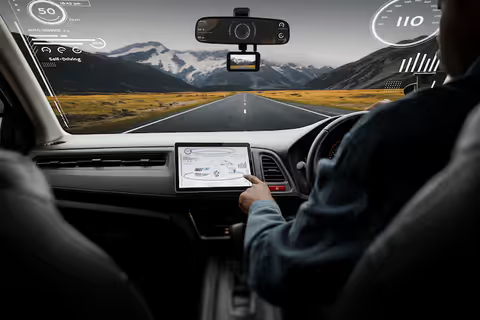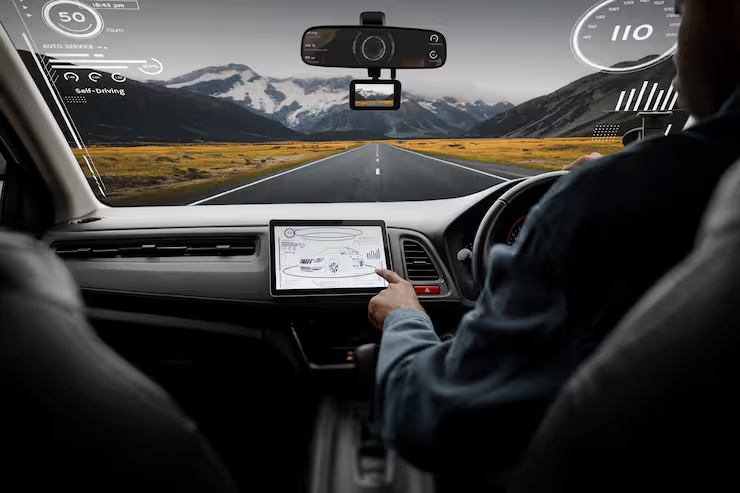
Computer vision is a field of artificial intelligence that enables machines to interpret and understand visual data from the world. In autonomous vehicles, computer vision plays a central role by allowing vehicles to detect objects, recognize road signs, identify lanes, and make driving decisions based on real-time visual input.
The need for computer vision in autonomous vehicles arises from the goal of reducing human intervention in driving. Traditional vehicles rely entirely on human perception and judgment, but autonomous systems aim to replicate and enhance this ability using cameras, sensors, and algorithms.
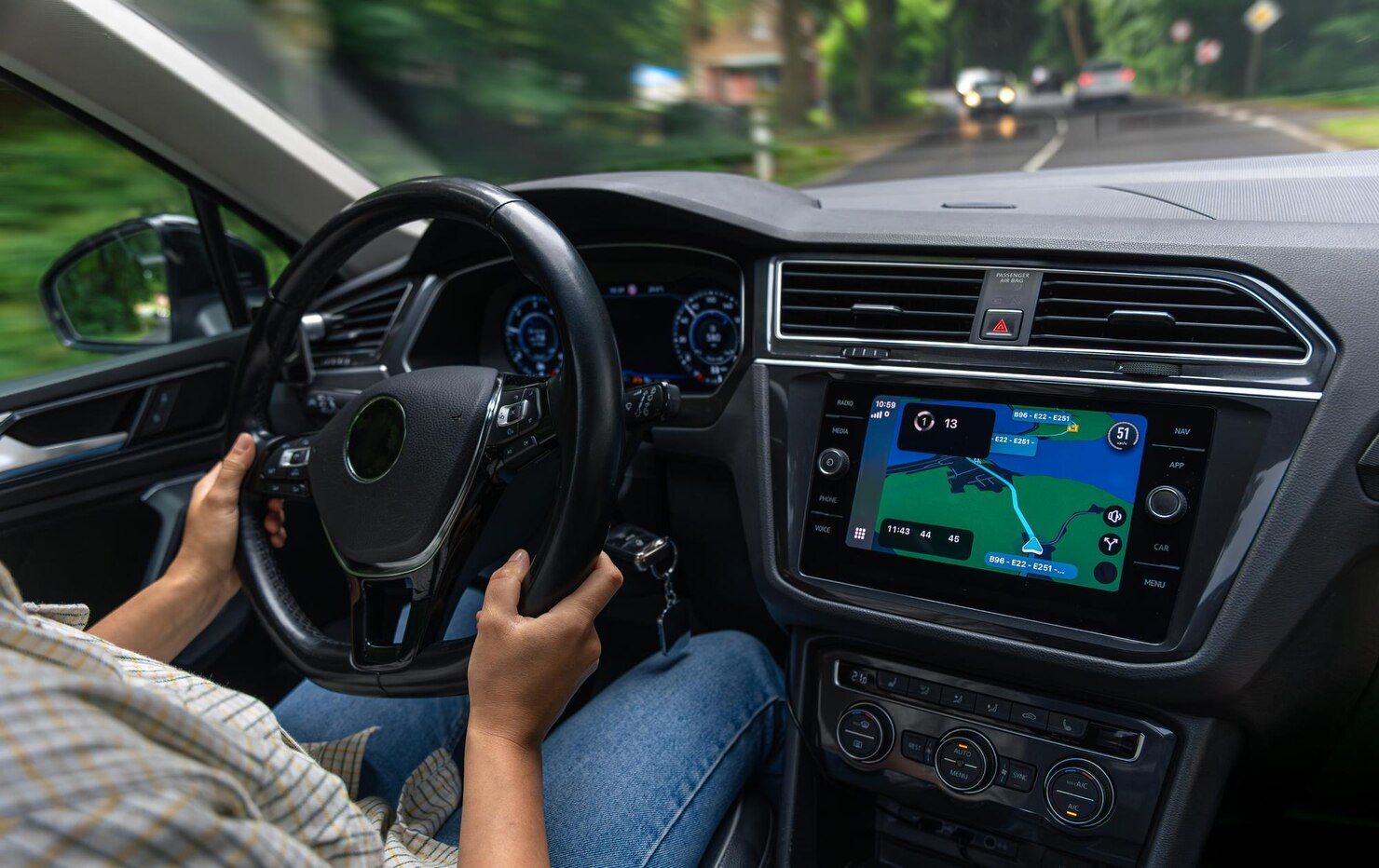
Vision systems in autonomous vehicles process images captured by cameras and convert them into actionable information. This involves tasks such as object detection, image classification, depth estimation, and motion tracking. Together, these processes enable vehicles to understand their surroundings and navigate safely.
Importance
Computer vision is essential to the development and functioning of autonomous vehicles:
- Enhanced safety: Vision systems help detect pedestrians, vehicles, and obstacles, reducing the likelihood of accidents.
- Real-time decision-making: Algorithms process visual data instantly, enabling quick and accurate responses.
- Traffic awareness: Recognition of traffic signals, signs, and lane markings ensures compliance with road rules.
- Reduced human error: Automation minimizes risks associated with fatigue, distraction, or misjudgment.
- Scalability in transportation: Autonomous vehicles can improve efficiency in logistics, public transport, and personal mobility.
This technology impacts automotive engineers, data scientists, researchers, policymakers, and everyday commuters interested in safer and more efficient transportation systems.
Recent Updates
The field of computer vision for autonomous vehicles has seen several advancements recently:
- Improved deep learning models (2025): New neural network architectures provide higher accuracy in object detection and scene understanding.
- Sensor fusion techniques: Combining data from cameras, LiDAR, and radar improves reliability in diverse conditions.
- Edge computing advancements: Faster onboard processing allows vehicles to make decisions without relying heavily on external systems.
- Simulation-based training: Virtual environments are increasingly used to train vision algorithms safely and efficiently.
- Focus on adverse conditions: Enhanced algorithms now perform better in low light, rain, fog, and complex urban environments.
These updates highlight the rapid progress in making autonomous driving systems more robust and reliable.
Laws or Policies
Computer vision in autonomous vehicles is influenced by various regulatory frameworks:
- Vehicle safety standards: Governments establish guidelines for testing and deploying autonomous systems to ensure public safety.
- Data privacy regulations: Vision systems that capture images must comply with laws governing personal data and surveillance.
- Testing permissions: Autonomous vehicle trials require approvals and must follow strict safety protocols.
- Liability frameworks: Policies define responsibility in case of accidents involving autonomous systems.
- Infrastructure guidelines: Governments may introduce smart road systems and digital infrastructure to support autonomous technologies.
These regulations ensure that technological advancements align with public safety, ethical considerations, and legal accountability.
Tools and Resources
A variety of tools and resources support learning and development in computer vision for autonomous vehicles:
- Programming libraries: Frameworks like OpenCV, TensorFlow, and PyTorch enable development of vision algorithms.
- Simulation platforms: Tools such as CARLA and LGSVL provide virtual environments for testing autonomous driving systems.
- Datasets: Public datasets like KITTI and COCO are used to train and evaluate vision models.
- Annotation tools: Help label images for training machine learning models.
- Online courses and tutorials: Educational platforms offer structured learning paths for beginners and advanced learners.
Comparison of key tools:
| Tool Type | Purpose | Key Advantage |
|---|---|---|
| Programming libraries | Develop vision algorithms | Flexible and widely supported |
| Simulation platforms | Test autonomous systems | Safe and controlled environment |
| Datasets | Train machine learning models | Real-world data for accurate learning |
| Annotation tools | Label visual data | Improves model training quality |
| Educational resources | Learn concepts and techniques | Structured and accessible learning |
These tools help learners and professionals build skills and experiment with real-world applications of computer vision.
Key Components of Vision Systems
Understanding the main components of computer vision systems in autonomous vehicles is essential:
| Component | Function | Example Application |
|---|---|---|
| Cameras | Capture visual data | Road and object detection |
| Image processing | Enhance and prepare images | Noise reduction and feature extraction |
| Object detection | Identify objects in the environment | Detect pedestrians and vehicles |
| Lane detection | Recognize road lanes | Maintain vehicle position |
| Depth estimation | Measure distance to objects | Avoid collisions |
These components work together to provide a comprehensive understanding of the vehicle’s surroundings.
FAQs
What is computer vision in autonomous vehicles?
It is the technology that allows vehicles to interpret visual data from cameras and make driving decisions based on that information.
How do autonomous vehicles detect objects?
They use machine learning algorithms trained on large datasets to recognize objects such as vehicles, pedestrians, and traffic signs.
Is computer vision enough for autonomous driving?
While essential, it is often combined with other sensors like LiDAR and radar for better accuracy and reliability.
What skills are needed to learn this field?
Knowledge of programming, machine learning, mathematics, and image processing is helpful for understanding computer vision systems.
What challenges exist in computer vision for vehicles?
Challenges include handling poor lighting, weather conditions, complex environments, and ensuring real-time performance.
Conclusion
Computer vision is a foundational technology enabling autonomous vehicles to perceive and interact with their environment. By combining cameras, algorithms, and advanced processing techniques, these systems replicate human vision and decision-making in driving scenarios.
Understanding the core concepts, tools, and challenges of computer vision provides valuable insight into the future of transportation. As advancements continue, autonomous vehicles are expected to become more reliable, efficient, and widely adopted, contributing to safer and smarter mobility solutions.