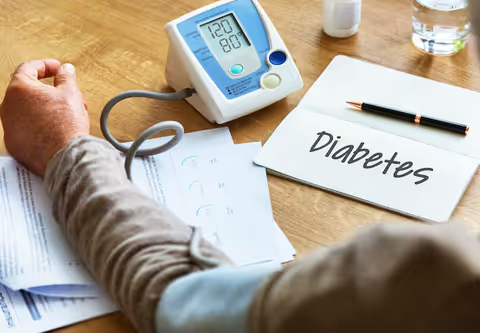
Blood pressure monitoring is the process of measuring the force of blood against the walls of arteries. It is a crucial aspect of understanding cardiovascular health and preventing complications such as heart disease or stroke. Blood pressure readings consist of two numbers: systolic pressure (the pressure when the heart beats) and diastolic pressure (the pressure when the heart rests between beats).
Monitoring blood pressure exists to detect early signs of hypertension, hypotension, or other cardiovascular issues. Regular measurement helps individuals and healthcare professionals manage health proactively and make informed lifestyle or treatment decisions.
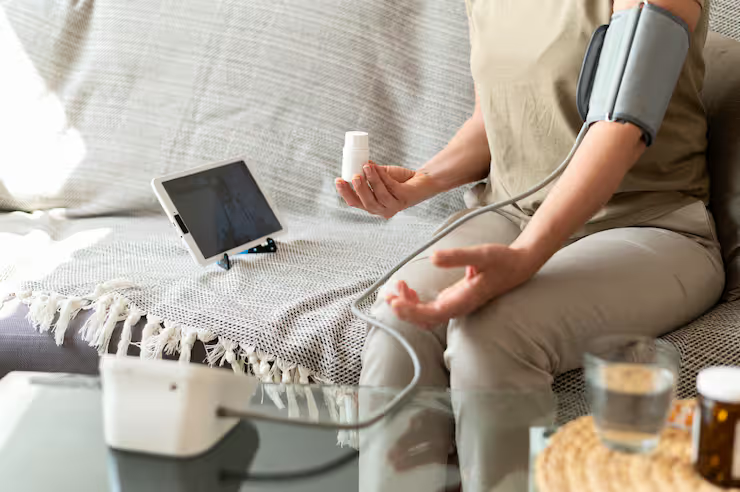
Key aspects of blood pressure monitoring include:
- Understanding normal and abnormal readings
- Recognizing factors that influence blood pressure, such as stress, diet, and activity
- Using accurate and reliable measurement tools
- Maintaining a consistent schedule for monitoring
Proper monitoring allows early intervention, reducing the risk of serious health problems.
Importance
Blood pressure monitoring is important because elevated or low blood pressure often has no visible symptoms, yet it can lead to severe health complications over time. According to health guidelines, consistent monitoring helps identify patterns that may indicate hypertension, hypotension, or other cardiovascular conditions.
The practice is particularly critical for:
- Adults over 40 or with a family history of heart disease
- Individuals with obesity, diabetes, or kidney conditions
- Pregnant women, as high blood pressure can affect both mother and baby
Regular monitoring can help prevent problems such as:
- Stroke and heart attack
- Kidney damage
- Vision issues
- Cognitive decline due to reduced blood flow
A well-managed blood pressure routine supports better overall health and long-term wellness.
The table below illustrates blood pressure categories:
| Blood Pressure Category | Systolic (mmHg) | Diastolic (mmHg) | Health Risk |
|---|---|---|---|
| Normal | <120 | <80 | Low risk |
| Elevated | 120–129 | <80 | Slightly increased risk |
| Hypertension Stage 1 | 130–139 | 80–89 | Moderate risk |
| Hypertension Stage 2 | ≥140 | ≥90 | High risk |
| Hypertensive Crisis | >180 | >120 | Immediate medical attention |
Recent Updates
In 2025, blood pressure monitoring has seen technological advancements and new recommendations for home monitoring. Digital and automated devices are now widely available, making accurate readings more accessible outside clinical settings.
Recent updates include:
- Increased use of wearable monitors that track blood pressure continuously throughout the day
- Integration of apps and cloud platforms for storing and analyzing readings
- New guidelines emphasizing home blood pressure monitoring for hypertension management
- Research on the relationship between blood pressure variability and cardiovascular risk
These updates highlight the growing importance of convenient, consistent monitoring to manage health proactively.
Laws or Policies
Blood pressure monitoring is affected by health regulations and government wellness programs. Policies emphasize preventive care and the management of chronic diseases like hypertension.
In India, national programs such as the National Programme for Prevention and Control of Cancer, Diabetes, Cardiovascular Diseases and Stroke (NPCDCS) promote routine blood pressure checks, awareness campaigns, and community screening initiatives.
Key policy-related aspects include:
- Encouragement of regular check-ups for adults
- Implementation of community screening initiatives
- Standards for medical devices to ensure accurate readings
- Integration into public health campaigns to reduce cardiovascular risk
Compliance with these policies ensures safe, effective, and standardized blood pressure monitoring.
Tools and Resources
Several tools and resources are available to support effective blood pressure monitoring and management.
Common tools include:
-
Digital Blood Pressure Monitor
Measures systolic and diastolic pressure at home -
Apple Health
Stores blood pressure readings and tracks trends -
Samsung Health
Provides insights and reminders for regular monitoring -
Omron Connect
Syncs with compatible devices for tracking data -
Logbooks and charts
Printable templates to record readings and monitor trends over time
The table below summarizes their roles:
| Tool/Resource | Function | Benefit |
|---|---|---|
| Digital Blood Pressure Monitor | Measures blood pressure | Accurate home readings |
| Apple Health | Tracks and analyzes data | Trend visualization |
| Samsung Health | Health monitoring | Reminders and insights |
| Omron Connect | Syncs device data | Easy tracking and storage |
| Logbooks & Charts | Manual record keeping | Pattern recognition |
Using these tools helps individuals maintain consistent monitoring and detect potential health issues early.
FAQs
How often should I monitor my blood pressure?
For most adults, checking blood pressure once or twice a day at consistent times is recommended, particularly for those at risk of hypertension.
What is considered high blood pressure?
A reading consistently at or above 130/80 mmHg is generally considered elevated or hypertensive, according to recent guidelines.
Can home monitoring replace doctor visits?
Home monitoring complements regular check-ups but does not replace professional medical advice.
What factors can affect readings?
Stress, caffeine, smoking, physical activity, and improper cuff placement can influence blood pressure measurements.
Is wrist monitoring accurate?
Arm monitors are generally more reliable; wrist devices can be used if proper positioning and technique are followed.
Conclusion
Blood pressure monitoring is an essential practice for maintaining cardiovascular health and preventing serious complications. With advancements in technology, home and wearable devices have made monitoring more accessible, convenient, and reliable.
Understanding the importance of consistent measurements, knowing target ranges, and using available tools can help individuals manage their blood pressure effectively. By incorporating regular monitoring into daily routines and consulting healthcare professionals when necessary, people can take proactive steps to protect their long-term health.
Monitoring blood pressure, combined with lifestyle practices such as diet, physical activity, and stress management, supports overall well-being and reduces the risk of heart disease and other health issues.