Automatic Print Inspection Systems (APIS) are advanced quality control technologies used to examine printed materials for defects, inconsistencies, and errors. These systems rely on machine vision, cameras, and software algorithms to inspect printed outputs such as packaging, labels, newspapers, and industrial prints.
The need for automatic print inspection arose from the limitations of manual inspection. Human inspection can be time-consuming, inconsistent, and prone to error, especially in high-speed production environments. As printing technologies evolved and production volumes increased, industries required faster and more reliable inspection methods.
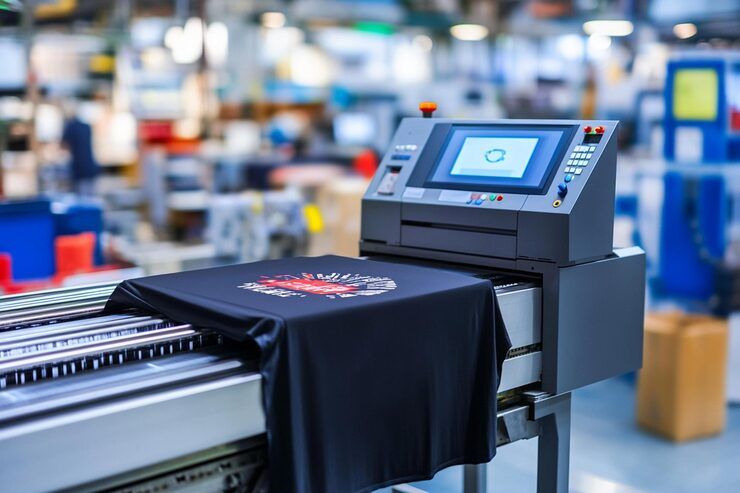
Automatic print inspection systems work by capturing images of printed materials in real time and comparing them against predefined standards or reference images. Any deviation, such as color variation, misalignment, or missing elements, is detected and flagged.
These systems are commonly used in industries such as:
- Packaging and labeling
- Commercial printing
- Pharmaceutical printing
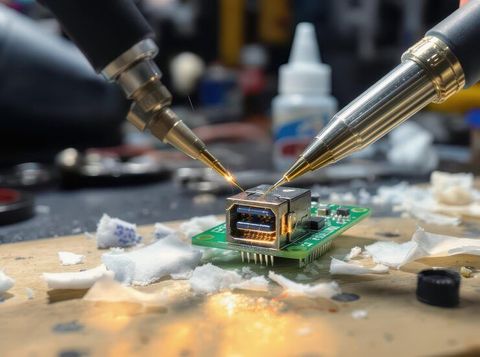
- Electronics and circuit board printing
- Textile and decorative printing
The primary purpose of these systems is to ensure print quality, maintain consistency, and reduce defects in production processes. By automating inspection, manufacturers can achieve higher accuracy and efficiency.
Importance: Why Automatic Print Inspection Systems Matter Today
Automatic print inspection systems have become essential in modern manufacturing due to the increasing demand for high-quality printed products. As industries move toward automation and precision, quality control plays a critical role in maintaining standards.
One of the main reasons these systems are important is accuracy. Machine vision technology can detect even minor defects that may not be visible to the human eye. This ensures that products meet strict quality requirements.
Another key factor is speed. High-speed production lines require inspection systems that can keep up without slowing down operations. Automated systems can inspect thousands of items in a short period, improving overall productivity.
These systems also help address several challenges:
- Reducing human error in quality inspection
- Ensuring consistency across large production volumes
- Identifying defects early in the production process
- Minimizing waste caused by faulty prints
Key benefits include:
- Improved product quality and reliability
- Faster inspection processes
- Enhanced efficiency in manufacturing workflows
- Better compliance with industry standards
Industries that benefit from automatic print inspection include:
- Food and beverage packaging
- Pharmaceutical labeling
- Electronics manufacturing
- Publishing and commercial printing
The table below compares manual and automatic inspection:
| Inspection Type | Accuracy Level | Speed | Consistency |
|---|---|---|---|
| Manual Inspection | Moderate | Slow | Variable |
| Automatic Inspection | High | Fast | Consistent |
These systems support the transition toward smarter and more efficient manufacturing environments.
Recent Updates: Trends and Developments in the Past Year
The field of automatic print inspection has seen several advancements over the past year, driven by improvements in technology and industry requirements.
Integration of Artificial Intelligence (2025–2026):
AI and machine learning algorithms are being integrated into inspection systems to improve defect detection and reduce false positives. These systems can learn from data and adapt to new printing patterns.
High-Resolution Imaging Systems (2025):
Advancements in camera technology have improved image clarity and detection accuracy. High-resolution sensors allow for detailed inspection of fine print and complex designs.
Cloud-Based Monitoring (2025–2026):
Inspection systems are increasingly connected to cloud platforms, enabling remote monitoring, data storage, and performance analysis. This supports better decision-making and process optimization.
Real-Time Data Analytics (2026):
Modern systems provide real-time insights into production quality, helping operators identify issues तुरंत and take corrective actions.
Focus on Industry 4.0 Integration (2025):
Automatic print inspection systems are being integrated into smart manufacturing ecosystems, allowing seamless communication between machines and production systems.
The table below summarizes key trends:
| Trend Area | Description | Benefit |
|---|---|---|
| AI Integration | Smart defect detection | Improved accuracy |
| High-Resolution Imaging | Advanced camera systems | Detailed inspection |
| Cloud Connectivity | Remote monitoring | Better data management |
| Real-Time Analytics | Instant quality insights | Faster decision-making |
These developments highlight the growing role of intelligent systems in quality control.
Laws or Policies: Regulations and Compliance Standards
Automatic print inspection systems are influenced by regulations related to product quality, safety, and labeling standards. These regulations vary depending on the industry and region.
In India, manufacturing processes must comply with standards set by organizations such as the Bureau of Indian Standards (BIS). These standards ensure that products meet quality and safety requirements.
In industries such as pharmaceuticals and food packaging, strict labeling regulations require accurate and clear printing. Inspection systems help ensure compliance with these rules by detecting errors in labels and packaging.
Key regulatory considerations include:
- Accuracy of printed information
- Compliance with labeling standards
- Quality assurance in manufacturing processes
- Traceability and documentation of production
International standards also play a role, including ISO quality management systems, which emphasize consistency and continuous improvement.
By adhering to these regulations, manufacturers can maintain product quality and meet industry requirements.
Tools and Resources: Technologies Supporting Inspection Systems
Several tools and technologies support the effective use of automatic print inspection systems. These resources help improve accuracy, efficiency, and ease of use.
Machine Vision Software:
- Software platforms for image processing and defect detection
- Tools for setting inspection parameters and thresholds
Camera and Sensor Technologies:
- High-resolution cameras for capturing detailed images
- Sensors for detecting movement and alignment
Data Analysis Tools:
- Systems for analyzing inspection data and identifying trends
- Reporting tools for quality control documentation
Integration Platforms:
- Systems that connect inspection machines with production lines
- Tools for synchronizing data across manufacturing processes
Below is a comparison table of key components:
| Component Type | Function | Example Use Case |
|---|---|---|
| Vision Software | Image analysis | Detecting print defects |
| Cameras | Image capture | Monitoring production lines |
| Sensors | Position detection | Ensuring alignment |
| Analytics Tools | Data interpretation | Improving quality control |
These tools enable efficient and accurate inspection in modern printing environments.
FAQs: Common Questions About Automatic Print Inspection Systems
What is an automatic print inspection system?
It is a technology that uses cameras and software to detect defects in printed materials during production.
How does machine vision work in inspection?
Machine vision captures images and compares them with reference standards to identify differences or defects.
Why is automatic inspection preferred over manual methods?
Automatic systems provide higher accuracy, faster processing, and consistent results compared to manual inspection.
Can these systems detect all types of defects?
They can detect many types of defects, including color variations, misalignment, and missing elements, depending on system capabilities.
Which industries use print inspection systems the most?
Industries such as packaging, pharmaceuticals, electronics, and commercial printing rely heavily on these systems.
Conclusion
Automatic print inspection systems are a vital part of modern manufacturing, ensuring that printed materials meet quality and accuracy standards. By using advanced vision technology and smart inspection methods, these systems provide reliable and efficient quality control.
Recent advancements in AI, imaging technology, and data analytics have enhanced the capabilities of inspection systems, making them more accurate and adaptable. At the same time, regulatory standards ensure that printed products meet industry requirements.
With the support of advanced tools and technologies, automatic print inspection systems continue to improve production processes and reduce errors. As manufacturing becomes more automated and data-driven, these systems will play an increasingly important role in maintaining quality and efficiency.